
“How can they hear without someone preaching to them?” – Romans 10:14
Despite over 2 billion Christians worldwide, more than 3 billion people still live without access to the gospel. They’ve never heard the name of Jesus, read a Bible, or met a single believer.
This post unpacks why this reality still exists — and what you can do about it.
🌍 Who Are the 3 Billion?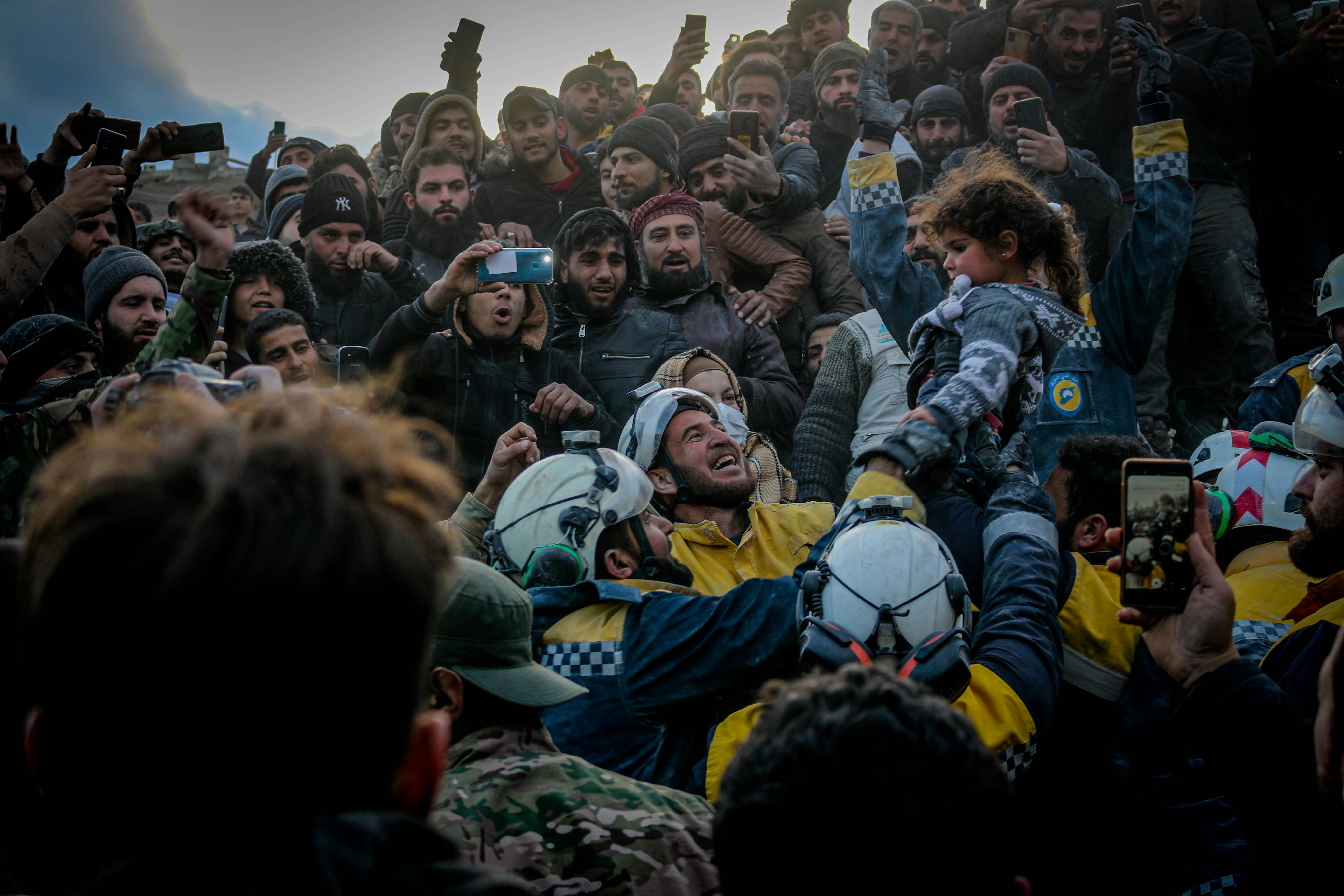
The unreached are people groups with little or no access to the gospel. Many live in places where:
-
There are no local churches
-
No Bibles in their language
-
No Christians in their communities
Often found in the 10/40 Window — a region covering North Africa, the Middle East, and Asia — these are people who haven’t rejected Jesus…
They’ve never heard of Him.
🧭 1. What Is a People Group?
A people group is a community that shares the same:
-
Language
-
Culture
-
Ethnic identity
There are over 17,000 people groups in the world.
Roughly 7,000 of them are still unreached — meaning less than 2% are Christian, and there’s no self-sustaining local church.
❓ 2. Why Haven’t They Heard Yet?
🔒 1. Geographic Isolation
Many unreached people live in remote jungles, mountains, or deserts — far from city infrastructure.
🕌 2. Religious Barriers
In countries dominated by Islam, Hinduism, Buddhism, or animism, Christian missions may be banned or punished.
🚫 3. Government Restrictions
Places like North Korea, Saudi Arabia, and Afghanistan openly forbid Christian activity. Sharing your faith could result in prison or death.
💬 4. Language Limitations
There are still over 1,800 languages without even a portion of the Bible translated.
😔 5. Lack of Laborers
Jesus said it best: “The harvest is plentiful, but the workers are few.” Many Christians are unaware — or unwilling — to go.
📊 3. The Current Missions Imbalance
Let’s break it down:
-
99% of missionaries go to places already reached
-
1% go to the unreached
-
Only 1 cent of every mission dollar supports work among the unreached
⚠️ We’re spending more on upgrading church sound systems than reaching entire people groups who’ve never heard the gospel.
📖 4. What the Bible Says About the Unreached
God’s heart is global. From Genesis to Revelation, we see His desire to redeem all nations:
-
“I will make you a light for the Gentiles.” – Isaiah 49:6
-
“Go and make disciples of all nations.” – Matthew 28:19
-
“Every nation, tribe, people and language…” – Revelation 7:9
Reaching the unreached isn’t a trend — it’s the heartbeat of God.
🕊️ 5. What’s Being Done Today?
✅ Global Missions Movements:
-
Frontier Alliance International
-
Joshua Project
-
Pioneers, YWAM, SEND, OMF, AIM
-
Bible translation ministries like Wycliffe and Seed Company
✅ Strategies Being Used:
-
Bible apps in native languages
-
Discipleship movements (DMM/CPM)
-
Microchurches and house churches
-
Business-as-mission (BAM)
-
Digital evangelism via smartphones
📡 6. The Role of Digital Evangelism
Today, social media and smartphones are helping missionaries reach the unreachable.
-
Apps like YouVersion, Bible.is, and Jesus Film allow users to read or watch the gospel in their language — even offline.
-
Platforms like WhatsApp and Telegram are used to share devotionals, testimonies, and discipleship content.
📱 You might not enter a closed country — but your message can.
✝️ 7. How You Can Help Reach the Unreached
🧍 1. Pray
“Ask the Lord of the harvest to send out workers…” – Matthew 9:38
Commit to praying for:
-
Specific unreached people groups (visit joshuaproject.net)
-
Local believers risking everything to share Jesus
-
Open doors in restricted nations
💰 2. Give
Support:
-
Bible translation efforts
-
National missionaries
-
Media and tech tools used in closed countries
Even $10/month can fund a house church or smartphone Bible access.
🛫 3. Go
-
Short-term trips to unreached-adjacent areas
-
Long-term work in cross-cultural missions
-
“Tentmaking” in a closed country (teaching English, business, medicine)
Ask God: “Where do You want me to go?”
📢 4. Advocate
Raise awareness in your church, youth group, or online platforms. Many believers don’t know this need exists.
Use your voice.
💬 8. What If I'm Not Called to Go?
Not everyone is called to go overseas — but every Christian is called to care about the unreached.
You can:
-
Adopt a people group in prayer
-
Support someone who’s going
-
Mobilize others
-
Share online content that reaches across borders
This is not someone else’s mission — this is our mission.
🧎 9. A Prayer for the Unreached
“Lord, open the eyes of those who have never heard.
Send workers.
Break down barriers.
Let every tribe and tongue know Your name.
Use me — however You want. Amen.”
✅ Final Thoughts: Don’t Be Silent When the World Hasn’t Heard
The gospel is not just good advice — it’s good news.
But news is only good if it gets there in time.
You may not reach all 3 billion. But you can reach someone.
You can give, pray, speak, send — or go.
“To whom much is given, much will be required.” – Luke 12:48
You know the gospel. They don’t.
Now’s the time.
Comments
Post a Comment